Authenticity in AI Marketing: How to Build a Personal Brand That Stands Out
Authenticity in AI Marketing: Why Your Personal Brand Matters More Than Ever
At AmeriLife Marketing Mentors, we help agents like you navigate the changing digital landscape. We answer your questions like “how do I use AI responsibly without losing your authentic voice? Let’s dive into some insights and practical advice for building a personal brand that stands out in 2026.
Why Authenticity Matters in an AI-Driven World
If you have already started building your personal brand, people know you. They know how you speak and how you write. Some of your connections have followed you for years. When you suddenly start using AI-generated content without refining it, your voice changes overnight. Everyone starts to sound the same, and that is when you risk losing trust.
Trust Is Easier to Lose When Content Feels Generic
Your audience notices when something feels off. If your content suddenly sounds like a robot wrote it, they question whether it is really you. The relationships you have built over time depend on consistency and authenticity.
Audiences Recognize When Messaging Doesn’t Match Your Voice
Customers who have followed you for years will spot the difference in your communication immediately. That disconnect creates doubt and weakens the trust you have worked so hard to build.
AI Can Amplify Sameness If Not Refined
When everyone uses the same tool the same way, everyone sounds identical. Your unique perspective disappears into a sea of generic content. Remember, it is you that sets you apart. Artificial intelligence should be used for inspiration, but you still need to make sure the final content is truly something you would say.
What Personal Branding Really Means for Agents
2026 is all about building your personal brand. But what does that actually mean?
Your Experience and Perspective Are Irreplaceable
Think about your origin story. Why did you get into this business? That personal journey belongs only to you. Your years of experience, the lessons you have learned, and the way you approach challenges cannot be replicated by anyone else.
Personal Branding Creates Recognition and Trust
When you tie in personal interests like sports scenarios, your kids, or aspects of being a parent, you create authentic connections. These real-life moments make you relatable and memorable. People remember stories and emotions far more than they remember facts and figures.
How to Use AI Without Losing Authenticity
The key to authenticity in AI marketing for agents and advisors is knowing how to use these tools responsibly. Here is what AMM recommends:
Use AI for Ideas, Inspiration, and Research
Use AI to help you brainstorm topics. When you are stuck and thinking “I really want to post something this week but I’m not sure what,” AI can help generate ideas. But do not ask AI to give its opinion on those topics. That is where you come in.
Avoid Copying and Pasting AI-Generated Content
This is the biggest mistake agents make. You can train AI by asking it questions one at a time until it understands your tone and the way you speak. Try responding using voice-to-text so your true conversational tone comes through. But never directly copy and paste the result.
Read Content Out Loud to Check Tone and Flow
A good way to check tone and flow is to read AI-generated content out loud. If it does not sound natural, edit it or cut it. This simple practice helps you identify what sounds human and what sounds robotic.
Watch out for AI “tells” that give away generated content. The most famous one is the overuse of em dashes (“—”), but now you also see phrases like “this is the ultimate unlock” or “that’s a really great perspective” popping up everywhere. Train your AI tool to avoid these telltale signs by telling it directly: “Do not use em dashes, do not use jargon, do not use these keywords I’ve identified as overused by AI.”
Identifying What Makes You Different
To build authenticity in AI marketing, you need to know what makes you unique.
Personal Interests, Stories, and Experiences
Think about the things you are truly interested in or the things that make you different. Maybe you have a hobby, a unique family situation, or a passion outside of work. Share the wins, the challenges, and the moments that shaped your approach to serving clients. These personal touches make your content memorable.
Shared Common Ground Builds Stronger Relationships
Those commonalities are not just nice to have. They are the foundation of trust and long-term client relationships. When clients see themselves in your stories, they feel understood and valued.
Why Niching Down Strengthens Your Personal Brand
You are not going to connect at the same level with every single person, and you are not going to be everybody’s cup of tea. And that is okay.
You Are Not Meant to Connect with Everyone
When you try to appeal to everyone, you end up connecting with no one. Niching down helps you stand out. Focus on serving a specific type of client exceptionally well rather than trying to be everything to everyone.
Speaking to One Persona Keeps Messaging Clear
Picture one type of person when you create content. Maybe it’s a person approaching 65 with questions about Medicare. When you focus on that one persona, your messaging stays sharp and authentic.
Strong Niches Create Loyal Audiences
When you try to talk to everyone your messaging becomes generic. You lose your authenticity and start to blend in. Focus on one audience, and they will become your most loyal supporters and your best source of referrals.
Showing Up as a Human in an AI World
In an era where AI-generated content floods every platform, showing your actual face and voice matters more than ever.
Use Your Face, Voice, and Video Content
You need to show up for your audience. Post photos. Use your face. Share both long-form and short-form videos. These human touches add credibility and help your audience identify with you. Video especially creates a powerful connection because people can see your expressions and hear your tone.
Balance AI-Assisted Content with Real Presence
Use AI for research and efficiency. Ask it to scrub Reddit channels for real conversations happening around specific topics, then ask it to summarize those discussions. But balance that efficiency with your actual presence online.
Visibility Builds Credibility and Trust
In an AI-driven world, it is very easy to rely on what people now call “AI slop.” Combat that by being visible, real, and consistent. Show up regularly, share your genuine thoughts, and let people see the real person behind the business.
Frequently Asked Questions
What is authenticity in AI marketing?
Authenticity in AI marketing means using AI as a tool while ensuring your content still reflects your real voice, values, and experiences.
Why is authenticity important for agents using AI?
Without authenticity, AI-generated content can feel generic and erode trust with prospects and clients. People know how you speak, and when your content suddenly changes, they notice.
How can agents avoid sounding generic with AI?
Agents should use AI for ideas and drafts, then refine the content so it sounds like how they naturally speak. Read it out loud, and if it does not sound like you, change it.
Can AI help build a personal brand authentically?
Yes, when used for research, FAQs, and inspiration, AI can support an authentic personal brand without replacing the human element. Train it to understand your voice but never copy and paste.
What is the biggest mistake agents make with authenticity in AI marketing?
The biggest mistake is copying and pasting AI-generated content without reviewing, editing, or adding personal perspective. This creates generic content that sounds nothing like you.
Authentically Showing Up Online
As AI continues to reshape marketing in 2026, authenticity in AI marketing has become your greatest competitive advantage. While AI offers powerful tools for efficiency and inspiration, your personal brand, your unique experiences, and your genuine voice are what truly build trust and win clients. Use AI as your assistant, not your replacement. Let it handle the research and brainstorming but make sure every piece of content you share sounds like you.
Ready to build a personal brand that stands out? Contact AmeriLife Marketing Mentors today for more resources, expert advice, and practical tips to help you grow your business authentically in this AI-driven world.
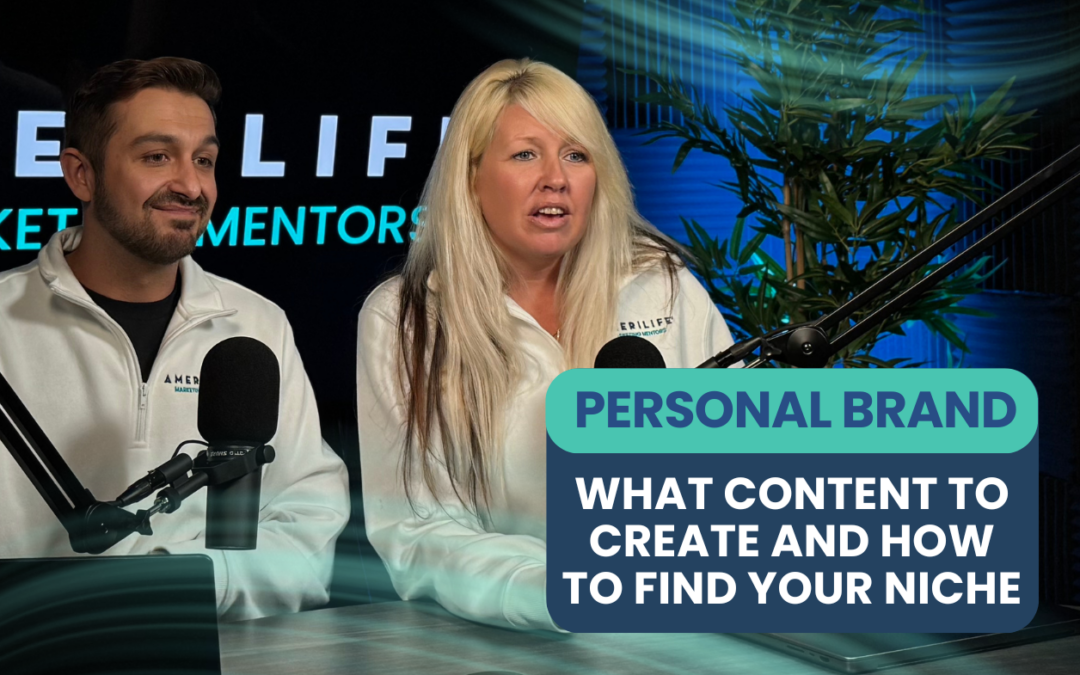
How to Build a Personal Brand in 2026
How to Build a Personal Brand in 2026
A personal brand is how people recognize, trust, and remember you based on your voice, values, experience, and visibility.
At AmeriLife Marketing Mentors, we help agents like you cut through the noise and connect with the right clients. If you want to know how to build a personal brand in 2026, you are in the right place. We guide you on what works and how to do it simply, authentically, and effectively.
Start With the Basics of Your Personal Brand
Create your foundational “who you are” video first
Your first step is simple: record a video where you explain who you are, what you do, and who you serve. Make this video available everywhere: your website, social media platforms, and anywhere prospects might find you. This builds a strong foundation for your identity and helps communicate your value clearly before prospects ever reach out.
Keep it simple with a phone and basic setup
If you’re just getting started, there are plenty of videos out there where the person is just taking a selfie, saying who they are, and what they do. Grab a phone stand (to reduce shaking) and consider a basic microphone. That’s it. You don’t need anything fancier to build a personal brand that works.
Why Authentic Content Outperforms Polished Content
Authentic videos beat studio production every time
The best-performing content is the most authentic content. Posts should feel like they’re from real, imperfect people. In 2026, consumers on social media are looking for human content.
Scroll through TikTok or Instagram and you’ll see it: people recording in their cars or on walks consistently outperform heavily produced content.
Create content right after real moments
Picture this: you just left a client meeting where someone asked a great question. Pull out your phone, sit in your car, and record your answer. That raw, immediate response creates content that feels genuine and valuable.
Start with a walk if that feels easier
Build a personal brand for insurance agents by simply talking to your phone during your morning walk. No script. No pressure. Just you and your thoughts. That raw, unfiltered approach is what builds real authenticity. People connect with the human behind the content, not a perfectly polished persona.
Share Your Origin Story to Stand Out
Tell the story only you can tell
Another great piece of content to get started is sharing your origin story. It’s something that your competition can’t replicate. It’s something AI can’t replicate. Your origin story explains why you got into this business and why you care about helping people.
Make it personal and specific
Share the real moments that shaped your career. Reflect on the transition points, realizations, and experiences that brought you here. Craft your story with honesty and detail. Your audience connects with stories and purpose, not sales pitches.
Use your story to build trust as an insurance agent or financial expert
When you share your “why,” people start to trust insurance agents and financial advisors before they ever pick up the phone. Your origin story acts as your competitive advantage because no one else has lived your exact path.
Turn Everyday Experiences into Content Ideas
Answer the questions you hear every day
Use frequently asked questions as a base for your content. Write down every question clients ask you this week. Each one becomes a topic you can post about. Start with your hook: “Here’s a great question I received today that I haven’t spoken about before.”
Talk about the objections you overcome
What objections have you recently overcome and what objections do you see the most? When you address objections publicly, you reduce friction in your sales process. Future clients arrive already pre-sold on your value and reputation.
Share “Day in the Life” content consistently
Capture moments throughout your day and stitch them together. Show what your work actually looks like. This gives prospects a window into what it’s like to work with you.
Try “Get Ready with Me” style videos
“Get Ready with Me” videos have become increasingly popular. It’s a simple way to tell a story while giving your audience something engaging to watch. Record yourself preparing for your day while sharing insights or telling a story. Audiences connect with this format because it feels personal.
Use Opinions and POV to Differentiate Yourself
Add your take to industry news
Don’t just share news, explain what it means and why it matters. Add your perspective based on your experience. This positions you as someone who understands the industry, not just someone who reposts updates. Promote your insights with confidence.
You don’t need to be controversial to be memorable
Simply sharing your lived experience or insight separates you from the crowd. Your perspective comes from real work with real clients. That authenticity carries weight.
Find and Speak to a Clear Niche Audience
Think about one person when you create content
Don’t try to speak to everyone. When you build a personal brand for a specific type of person or audience, your message becomes clearer and more powerful. For insurance agents, this may be people 65+ ready to enroll in Medicare or young families looking for affordable life insurance.
Narrow your audience to make content creation easier
“When you know who it is that you’re speaking to on a daily basis, it makes it that much easier to create content because you’re not trying to be everything to everybody.” Pick one specific group. Your content ideas will flow more naturally, and you’ll build a loyal community around your commentary.
Create content your ideal client actually needs
Think about the questions your niche asks. Think about their specific concerns and challenges. Design content that speaks directly to those needs and helps them achieve their goals.
How to Use AI the Right Way When Building a Personal Brand
Use AI as an idea generator
The strongest value that AI brings to agents and advisors is brainstorming new ideas.
Tell AI: “Act as a content specialist. Here is who my target audience is. Here are the channels I’m trying to reach on. Help me come up with various content ideas.” Then, add your own value and industry knowledge.
Feed AI your successful content
Share successful pieces of content from the last 90 days and tell AI, “This is what’s resonating with my audience. Let’s create more content around this.” Let AI analyze what works and suggest variations.
Never copy and paste AI content
All this content production is meant to be supported by AI. But if you truly want to be authentic and build a personal brand that’s yours, then AI needs to be just a tool, it can’t be the only part of your content. Use AI to spark ideas, then write in your own voice.
Frequently Asked Questions About Building a Personal Brand
What’s the first step to build a personal brand?
Create a video where you clearly explain who you are, what you do, and who you help. Make this video accessible on all your channels.
Do I need professional equipment to build a personal brand?
No. A phone and a clear message provide enough to get started. Add a phone stand and basic microphone if you want to level up slightly.
Why is an origin story important for personal branding?
Your origin story makes your personal brand human, relatable, and unique. It’s something your competition and AI cannot replicate.
How does having a niche help build a personal brand?
When you know exactly who you’re speaking to, content creation becomes easier because you’re not trying to be everything to everybody.
Can AI help me build a personal brand?
Yes, but use it for brainstorming ideas, not for writing your content. Your authentic voice must lead.
Start Building Your Personal Brand Today
Building a personal brand in 2026 starts with action, not perfection. Record that first video today, even if it’s just you in your car or on a walk. Answer one client question this week. Share your origin story. Pick your niche. Use AI to brainstorm ideas but always write in your own voice.
The agents who win in 2026 are the ones who show up consistently and authentically. They don’t wait for the perfect setup or the perfect moment. They just start.
Ready to take your insurance marketing or financial services marketing to the next level? Visit AmeriLife Marketing Mentors for more resources, podcast episodes, and practical guidance to help you build a personal brand that drives real business growth.
Personal Branding for Insurance Agents and Financial Advisors: A Simple Approach
Personal Branding for Insurance Agents and Financial Advisors: A Simple Approach
If you’re an insurance agent or financial advisor, you’ve probably heard a lot about building a personal brand lately.
Maybe you think branding is just about logos and colors. Or maybe you’re not sure where to start.
Here’s the truth: Building a personal brand is one of the most important things you can do for your business in 2026. And it doesn’t have to be complicated.
Let’s talk about how to build a brand that actually works for you.
Why Your Personal Brand Matters More Than Ever
Start with a simple question: What makes you different from other agents and advisors?
If you sell insurance or financial products, you’re probably offering the same plans as hundreds of other agents. Your competitors are talking to the same people you want to reach.
So, what sets you apart?
You do.
You’re the unique factor in your business. There are thousands of insurance agents out there. But only one of them is you. Only one has your personality, your way of explaining things, and your approach to helping people.
That’s what a personal brand is all about.
The way you explain things, your personality, the way you break down complex topics and make them simple — that’s what makes you different.
And this matters more now than ever before. As AI becomes more common, people are craving real human connection and authenticity.
People can get facts and information from AI. But they can’t get a real relationship with AI. They can’t trust AI the way they trust a real person who understands their needs.
That’s where you come in. Your personal brand shows people who you really are. It helps them decide if they want to work with you.
You Won’t Connect with Everyone (And That’s Perfectly Fine)
Here’s something important to remember: Not everyone will connect with you. And that’s okay.
You’re not going to be relatable to everybody. But the people who do connect with you, the ones who really get you, those are the people you want to work with.
When you put yourself out there and share who you really are, the right people will find you. They’ll start following you. They’ll begin to trust you.
And you might not even realize it’s happening.
People will start following you and building a relationship with you. They’ll start to trust you. Over time, you become a thought leader in your field.
That’s the power of personal branding. It attracts the right people to you naturally.
Know Who You Are Before Creating Content
Before you jump into making videos or posting on social media, you need to get clear on something important: Who are you and what do you stand for?
Take inventory of your mission and your purpose. Think about your values. Consider how you want your clients to see you and engage with you. Then build content that matches those points.
This might seem like an extra step. But it’s actually the most important step.
Many agents struggle with marketing because they skip this part. When asked what makes them different, they might say, “I’m not sure” or “You tell me.”
But here’s the problem: If you don’t know what makes you unique, your marketing will sound like everyone else’s.
Think about your interests outside of work. Maybe you’re into triathlons. Maybe you coach youth sports. Maybe you’re passionate about volunteering in your community. These personal touches can become part of your brand and help people connect with you.
When you share these parts of yourself, people who have similar interests will reach out. They’ll say they coach softball too, or they also love running, or they volunteer at the same organization.
It’s amazing how much connection you can build when people really get to know you.
So, before you create content, think about:
- What do you care about?
- What makes you different from other agents?
- What are your hobbies or interests?
- How do you like to help people?
- What’s your approach to explaining complex topics?
These answers will help shape your brand and make it truly yours.
The Three Things You Absolutely Need
Once you know who you are and what you stand for, it’s time to set up the basics.
Here are three things you need to get started:
A Website
Your website is like your online storefront. It shows people you’re legitimate and credible.
Having an online presence is vital. It gives people that feeling of credibility when they look you up.
Your website doesn’t have to be fancy. It just needs to exist and show the basic information people need to know about you and your services.
Social Media
This is where things get interesting.
You could spend weeks building the perfect website. But here’s the truth: People spend hours a day on social media.
Don’t worry too much about how many people visit your website. Instead, meet your clients where they already are.
If your target audience is 65 and older, they’re on Facebook and YouTube. That’s where you should focus. Go meet them there.
If you work with professionals, LinkedIn might be your best choice. That’s where business people network and connect.
The key is to be where your clients already spend their time. You don’t need to be on every social media platform. Just pick the ones where your ideal clients are active.
Google Business Profile
If you work with local clients, you need a Google Business Profile.
If you’re selling locally, this tool is essential, and it’s completely free.
When people search for things like “insurance agent near me,” a Google Business Profile helps you show up in those results. Make sure yours is set up and includes good information about your business.
Help People Find You with the Right Keywords
You’ve probably heard about SEO: search engine optimization. It just means helping people find you when they search online.
But SEO isn’t only for Google anymore. It’s important for social media, too.
More and more people are using social media to search for information, treating it just like a search engine. Think about YouTube, for example, and how many people go there to learn “how to” do something new.
So, when you set up your social media profiles, include the keywords you want to be found for.
Here’s an example: If you’re in digital marketing, put “digital marketing” in your LinkedIn profile headline, your about section, and throughout your profile where it makes sense.
If you’re a life insurance agent, put that in your profile. If you specialize in helping people in a specific city, include that too.
These keywords help you show up when people search for what you do.
What to Post About (Content That Actually Works)
Once you have the basics set up, you might wonder: What should I actually post about?
The answer is simple: Answer the questions people ask you all the time.
Those frequently asked questions are gold for content creation.
Think about what clients ask you most often. Maybe they ask how long a process takes. Maybe they want to know about scheduling or support. Maybe they’re confused about coverage options.
Write down five to ten of these questions. Then create content around them.
One good answer to a common question can become:
- A blog post on your website
- Multiple social media posts
- Short videos for different platforms
- A longer video explaining the topic in detail
- An email
You’re not creating something new every single time. You’re taking one good idea and sharing it in different ways. One blog post can turn into 10 social media posts and 10 short videos.
Start Simple: Your Cell Phone Is Enough
If you’re feeling overwhelmed about creating content, here’s good news: You don’t need fancy equipment.
You can start with just your phone.
Here’s a simple plan:
Pick one topic. Record yourself talking about it for 10 to 15 minutes using your phone. That’s your long-form content.
Then break it down:
- Turn it into a blog post (AI can help with this)
- Create multiple social media posts from it
- Cut it into short video clips
- Share it across different platforms
This approach will give you content for the whole week. It’s just about getting organized and committing to the process.
When you first start, it might feel awkward. It might take time to figure out. That’s normal.
When you start anything new, it’s a process. You’re creating new behaviors and getting used to it. Then it starts to flow naturally.
Nobody is perfect when they start. But if you keep going, it gets easier.
Organize Your Content into Buckets
Instead of trying to come up with new ideas every single day, think about your content in categories or “buckets.”
Pick three to four topics you’ll talk about regularly.
Here are some examples:
Bucket 1: Educational Content
Answer those frequently asked questions. Share tips. Explain confusing topics in simple terms.
Bucket 2: Personal Content
Share parts of your life that make you relatable. Do you have a dog? Share photos. Do you golf? Talk about that. These personal touches help people connect with you.
Incorporate these parts of your personality into your brand.
Bucket 3: Specific Help
Maybe you get a lot of questions about one specific thing, like choosing the right coverage for families. You could create a whole category of content just about that topic.
When you organize your content this way, it’s easier to come up with ideas. You’re not staring at a blank page wondering what to post. You just pick a category and create something that fits.
Stay Consistent with Your Topics
Once you know what you want to talk about, stick with it.
Stay in your lane as much as possible.
When you consistently post about the same topics, social media algorithms learn who should see your content. Over time, this means the right people will see your posts more often.
So, pick your topics and stick with them. Don’t jump around to random subjects that don’t relate to your brand.
How People Research You Before They Call
Here’s how most people check you out before they ever contact you:
First, they Google your name. They find your website and make sure you’re real and credible.
Next, they check your social media. This is where they really want to see who you are as a person.
They want to see behind the scenes and who you are in real life.
They’re also looking at reviews on your Google Business Profile listing. They’re doing their homework.
And if you’re not showing up in these places? They’ll move on to the next person who is.
That’s why building your online presence matters. People are looking for you. Make sure they can find you and learn about you when they do.
Be Ready for Social Media Messages
As you build your presence on social media, people will start messaging you there.
And they might expect quick responses.
Some social media platforms even show how fast you typically reply to messages
If someone emails you, they don’t know when you’ll respond. But if they see on social media that you usually reply in five minutes, they’ll message you there instead.
So be prepared. As you grow your social media presence, you’ll start getting questions and messages there. That’s actually a good thing. It means people are connecting with you.
Just make sure you’re checking your messages and responding when you can.
The Hardest Part Is Just Starting
The hardest part of building a personal brand is simply putting yourself out there.
Many people worry about judgment. They’re afraid they’ll say something wrong. They worry that people won’t like what they post. They worry about making mistakes.
Here’s something to remember: A famous content creator once said that your first hundred videos will probably be bad. But by video 101, you’ll be getting better.
It’s about getting comfortable with the process and not expecting perfection right away.
Your first posts won’t be perfect. That’s okay. Nobody expects perfection.
What people do expect is authenticity. They want to see the real you.
People want to hear from you. They want advice. They want to find somebody that relates to them, someone they connect with. It might be you. But the only way to find out is to actually get started.
Understanding the Difference: Branding vs. Marketing
Before we wrap up, let’s make sure you understand something important: Branding and marketing are not the same thing.
Marketing is what you do. It’s the videos you make, the emails you send, the posts you create.
But branding is how you want people to feel when they see those things.
Branding is what you want to be remembered for and how you want people to feel when they come across your content.
When someone watches your video or reads your email, how do you want them to feel? Informed? Confident? Like they found someone they can trust?
That feeling is your brand.
Think about what you want to be known for. What do you enjoy teaching people about? And don’t forget to show your personality. That’s how you’ll stand out in 2026.
Your Next Steps
Building a personal brand doesn’t happen overnight. But it’s worth the effort.
Start by getting clear on who you are and what makes you different. Set up the basics: your website, social media, and Google presence.
Then, start creating content around the questions people ask you most often. Use your phone if that’s all you have. Share a little bit of your personality. Stay consistent with your topics.
And most importantly, just start. Don’t wait until everything is perfect.
The right people are out there looking for someone like you. Make sure they can find you when they search.
Your personal brand is waiting to be built. Take the first step today.