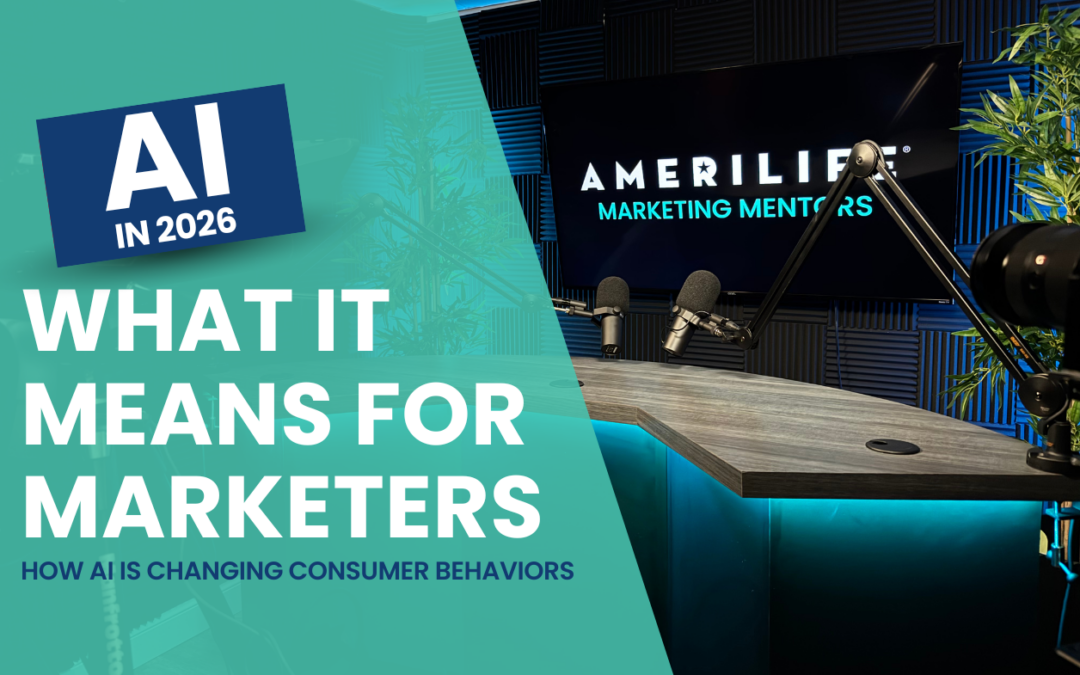
How AI Is Changing Consumer Behavior and What It Means for Marketing in 2026 

How AI Is Changing Consumer Behavior and What It Means for Marketing in 2026 

How AI Is Changing Consumer Behavior and What It Means for Marketing in 2026

AI is changing consumer behavior, shifting everything insurance marketers once knew about reaching clients. Your prospects research policies differently, make decisions faster, and expect personalized experiences at every touchpoint. The transformation mirrors major shifts from the past, like moving from offline to online in 1995, the Google search revolution in 2005, and the smartphone era beginning in 2007. 

Each technological leap changed how people find information and make purchasing decisions. AI represents the biggest shift since smartphones, fundamentally altering the relationship between consumers and businesses. This change happens now, and insurance professionals who adapt early gain significant competitive advantages. 

At AmeriLife Marketing Mentors, we guide insurance professionals through these digital transformations, so you stay ahead. Our knowledge comes from daily testing, measuring, and implementing strategies that work in this new landscape. 

The Evolution of Insurance Search Behavior 

Conversational AI Replacing Traditional Search 

Remember typing five keywords into Google? Those days fade fast. Consumers now ask AI full questions like, “I need the best Medicare supplement plan for someone with diabetes in Tampa.” AI answers immediately. 

Google places “AI mode” at the top of search results, signaling this shift. Traditional keyword searches give way to natural conversations. 

Faster Decision Cycles for Policy Research 

Research cycles shrink dramatically. AI gathers information from dozens of sources instantly. What once took hours now takes minutes. Consumers no longer spend days visiting multiple insurance websites, reading through dense policy documents, or scheduling discovery calls just to understand basic coverage options. 

Instead, they ask AI comprehensive questions and receive immediate answers. They compare multiple carriers simultaneously. They understand pricing structures before making their first phone call. This means your prospects arrive already educated about policy types, coverage options, and competitors. 

This acceleration changes how you engage with potential clients. You skip the introductory education phase and move directly to detailed discussions about specific needs. Your first conversation focuses on customization rather than explanation. 

AI Recommendations Influencing Advisor Selection 

AI recommends specific agents and advisors now. Consumers search for detailed criteria, and AI analyzes your online presence, reviews, and experience before suggesting you. This represents a fundamental shift in how clients discover insurance professionals. 

Previously, referrals from friends and family dominated advisor selection. Yellow Pages advertising mattered. Local reputation built over decades carried weight. While these factors still matter, AI now serves as the initial filter. Your digital presence determines whether you enter the consideration set at all. 

This recommendation power makes your digital footprint critical. AI consumer behavior patterns show that prospects trust AI suggestions before making contact. When AI recommends you, prospects arrive pre-sold on your credibility. When AI overlooks you, those potential clients never know you exist. 

Personalization Expectations in Insurance 

Clients Expect Tailored Coverage Suggestions 

Generic approaches fail in 2026. Consumers experience personalization everywhere through Netflix, Amazon, and social media platforms. Netflix knows what shows they enjoy. Amazon suggests products they need before they search. Spotify creates custom playlists matching their mood. Algorithm delivers content based off their interests. 

Now, they expect the same from their insurance advisor. 

Consumers want communications that acknowledge their unique circumstances. They expect you to remember their family situation, health concerns, and financial goals. They anticipate proactive suggestions based on life changes. 

Blast emails to your entire database fall flat. Prospects delete generic messages without reading them. They want messages that speak directly to their situation and remember previous conversations. Mass communication feels impersonal in an AI-powered world where personalization represents the standard. 

Influenced by Platforms Like Amazon and Netflix 

Consumer expectations transfer across industries. Your clients spend hours on platforms that master personalization, shaping what they consider normal service. AI usage studies show that AI search traffic increased 527% year over year, and website traffic from AI platforms could soon overtake traffic from traditional searches. 

Segmentation Critical for Relevance 

Audience segmentation becomes mandatory. You cannot treat a 10-year client the same as a new prospect or send identical messages to someone researching Medicare versus life insurance. 

AI makes segmentation easier by analyzing your contact database, identifying patterns, and helping you create distinct groups. 

Rise of Trust Validation 

AI Pre-Educates Insurance Shoppers 

AI teaches consumers everything before they meet you. They learn policy types, coverage limits, and industry terminology. They compare carriers and understand pricing structures. 

This pre-education changes your role from primary information source to someone who confirms what AI taught them and provides the human perspective AI cannot. 

Agents Become Validation Touchpoints 

Prospects arrive ready to buy. They need validation more than education. They want confirmation that their research led them correctly. 

Trust builds differently now. AI recommendations establish initial credibility. Your job becomes reinforcing that trust through authentic interaction. 

Personal Brands Matter More Than Ever 

AI generates thousands of content pieces monthly, so what sets you apart? Your personal brand. 

Your authentic voice cuts through AI-generated noise. Consumers crave genuine human connection precisely because AI content floods the market. Build your personal brand consistently through sharing resources and showing personality. 

Platform and Device Evolution 

AI Integrated into Quoting and CRM Tools 

AI embeds itself into your daily tools. Your CRM suggests follow-up messages while quoting platforms recommend coverage options.  

Mobile-First Engagement Continues 

Smartphones revolutionized marketing in 2007, and that mobile-first mindset remains essential. Consumers access information on rectangular screens everywhere. Your content must work perfectly on mobile devices with quick loading times and thumb-friendly navigation. 

Social Media AI Enhances Insurance Content Targeting 

Social platforms use sophisticated AI algorithms that learn what content each user enjoys and deliver your posts to interested audiences. This AI targeting helps insurance marketers reach ideal prospects by identifying people researching coverage or nearing retirement. 

AI Tools for Insurance Marketers 

Build Personas from Real Online Discussions 

Skip guesswork about your target audience. AI scrapes Reddit threads, Facebook groups, and Google reviews to identify real pain points and actual objections consumers voice. 

These insights create accurate buyer personas, so you understand what keeps prospects awake at night. 

Automate Content Creation and Testing 

AI generates content drafts, suggests headlines, writes social captions, and creates email variations for testing. 

Remember: AI handles grunt work while you provide the human touch. Review every piece to ensure it reflects your knowledge, experience, and values. 

Improve Efficiency Through AI Workflows 

Streamline repetitive tasks with AI assistance. Let it draft emails, summarize notes, and analyze competitor websites, freeing time for relationship building. 

Preparing for Long-Term Shifts 

AI Search Adoption Growing Toward 30% 

Current AI consumer behavior statistics show 15% of searches happen through AI platforms, predicted to reach 30% by year-end. ChatGPT reached 100 million users in two months; Google took seven years. 

Insurance Demographics Slower to Adopt 

Your target audience, typically 50 and older, adopts technology more slowly, representing the trailing edge of this shift. The 15% currently using AI skews younger, giving you breathing room. 

2-Year Window to Prepare 

You own a two-year window to prepare. Learn AI tools now, build your digital presence, and optimize for AI recommendations. When AI consumer behavior shifts to hit your demographic fully, you will stand ready while competitors scramble. 

FAQs 

How is AI changing consumer behavior in insurance? 

AI enables faster research, personalization, and more educated prospects who arrive at your office already knowing what coverage they need. 

Why does AI change how policyholders research? 

AI gives answers instantly and conversationally, eliminating the need to click through multiple websites and dramatically reducing traditional Google searches. 

How should insurance marketers respond? 

Segment audiences carefully, personalize messaging, strengthen online authority through consistent content, and build your personal brand authentically. 

What role does trust play? 

AI builds awareness and provides information, but agents provide final validation before decisions happen. Your role shifts from educator to validator. 

How can agencies appear in AI recommendations? 

Publish consistent quality content across platforms, maintain a strong digital footprint, gather positive reviews, and share your knowledge regularly. 

Where Are You Showing Up? 

AI consumer behavior transforms insurance marketing fundamentally. Consumers research faster, expect personalization, and arrive pre-educated. They trust AI recommendations but seek human validation. 

The shift happens now. Demographics in insurance give you time, but not forever. Spend these next two years learning AI tools, building your digital presence, and strengthening your personal brand. 

AmeriLife Marketing Mentors stays at the forefront of these changes, helping insurance professionals thrive in this new era. 

Ready to master AI consumer behavior strategies for your insurance business? Contact AmeriLife Marketing Mentors for the guidance, tools, and training that keeps you ahead of the curve. 
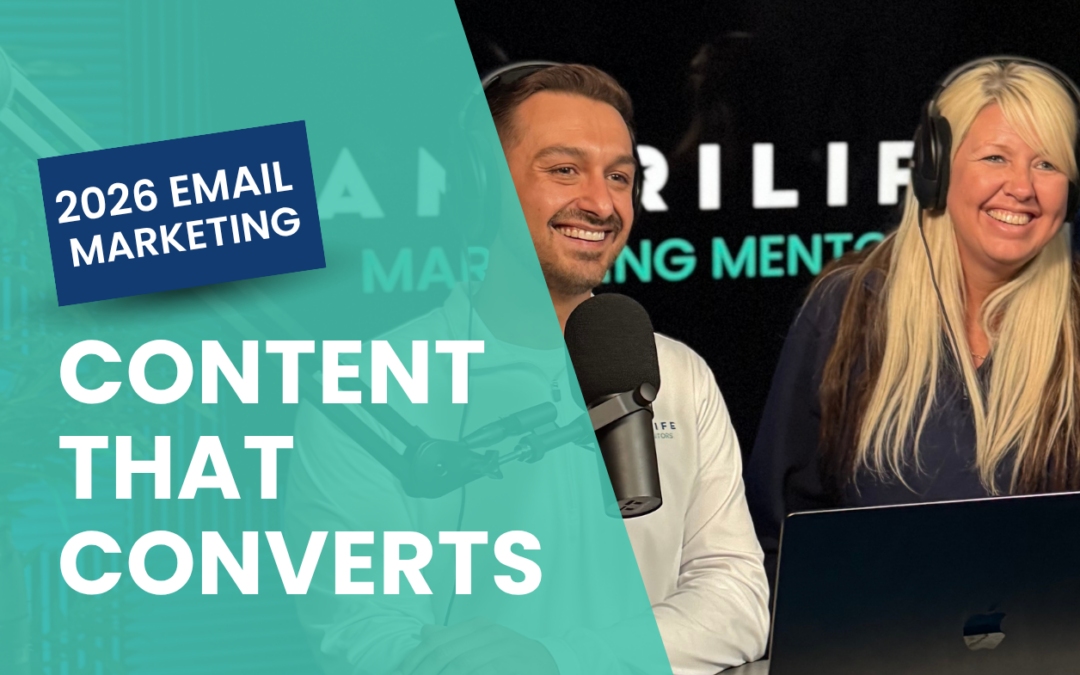
Email Marketing in 2026: Content That Converts (Get More Leads + Replies)

Email Marketing in 2026: Content That Converts (Get More Leads + Replies)

Email Marketing in 2026: Content That Converts

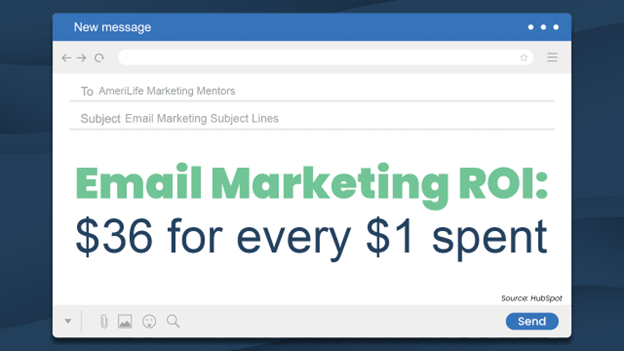
With all the buzz around AI this year, you might think traditional marketing channels have lost their power, but the truth is that email marketing in 2026 still delivers one of the highest ROIs for insurance professionals.

At AmeriLife Marketing Mentors (AMM), we help you build effective email strategies, and our hands-on experience gives us deep insight into what actually works today. We’ve spent years working directly with insurance agents, advisors, and FMOs across the health and wealth space, so we understand your unique challenges because we live them every day. 

Choosing the Right Platform for Insurance Marketing 

Your email platform makes or breaks your email marketing 2026 success. You need a system built for mass sending that keeps you compliant and in your prospects’ inboxes. 

Why Outlook Isn’t Suitable for Mass Sends 

Many agents start by sending emails through Outlook or their personal email, but those weren’t designed for mass email campaigns. When you try to send bulk emails from Outlook, you risk getting flagged as spam, blocked by email providers, and damaging your sender reputation. Your emails need to reach inboxes, not spam folders. 

Authentication and Deliverability Requirements 

Email marketing in 2026 requires proper authentication. Every email platform you use must go through an authentication process. These technical steps prove to email providers that you’re a legitimate sender. Without authentication, your emails won’t reach your audience. The rules around deliverability have gotten stricter, making authentication non-negotiable for email marketing 2026 success.

Common Platforms Used by Insurance Agencies 

Insurance professionals see great results with platforms like: 

  • Mailchimp – Strong automation features and templates 
  • HubSpot – Robust CRM integration and advanced tracking 
  • Salesforce - Enterprise-level features for larger agencies 
  • Go High Level – Popular in the insurance industry for its all-in-one approach 

Choose a platform that fits your budget, technical comfort level, and business size. The key is picking one and using it consistently. 

CRM and Segmentation for Insurance 

Your CRM powers your email marketing strategy. Without proper customer relationship management, you’re shooting in the dark.

Track Policyholders vs. Prospects 

You can’t blast the same message to everyone anymore. People sit at different points in their journey with you. A new lead needs different content than a client you’ve worked with for three years. Your CRM helps you organize contacts based on their relationship status: 

  • New leads - People who just entered your pipeline 
  • Active prospects - Leads you’re currently nurturing 
  • New clients - Recently sold policies (within 30-90 days) 
  • Established clients - Long-term policyholders 
  • Disengaged contacts - No interaction in over a year 

Each group gets tailored messaging that matches where they are in the buyer journey. 

Tailor Emails Based on Life Stage and Product Interest 

Someone shopping for Medicare Advantage needs different information than someone looking at life insurance or annuities. Your email marketing 2026 strategy must reflect these differences. Use your CRM to tag contacts by: 

  • Product interest - Medicare, life insurance, annuities, P&C 
  • Life stage - Pre-retirees, recent retirees, established seniors 
  • Engagement level - Opens emails regularly, clicks occasionally, rarely engages 
  • Purchase history - What they’ve already bought from you 

This segmentation ensures every email you send adds value for the recipient. 

Automate Renewal Reminders and Follow-Ups 

Set up automated workflows in your CRM for: 

  • Welcome sequences for new leads 
  • Nurture campaigns for active prospects 
  • Policy renewal reminders sent 60-90 days before expiration 
  • Re-engagement campaigns for cold leads 
  • Post-sale check-ins at 30, 60, and 90 days 

Automation keeps you top-of-mind without manual effort. Your CRM runs these sequences in the background while you focus on serving clients. 

Personalization and AI 

Email marketing in 2026 requires personalization. If you’re not personalizing, your competition will. AI tools make this easier than ever. 

Adjust Messaging Based on Client Type (Medicare, Life, Annuities) 

A Medicare beneficiary faces different concerns than someone planning their estate. Your emails must reflect these differences. With Medicare clients, focus on: 

  • Annual Enrollment Period updates 
  • Coverage changes and options 
  • Healthcare cost management 

For life insurance prospects, emphasize: 

  • Family protection strategies 
  • Estate planning considerations 
  • Long-term financial security 

For annuity clients, highlight: 

  • Retirement income stability 
  • Market protection features 
  • Tax advantages 

Map out different email journeys for each product line. Your email marketing in 2026 success depends on relevance. 

Use AI Tools to Draft Segmented Content 

AI speeds up content creation without sacrificing quality. Use tools like Copilot to: 

  • Draft email copy for different audience segments 
  • Create subject line variations for testing 
  • Generate FAQ responses for common client questions 
  • Personalize messages at scale 

AI helps you produce more content faster. Just remember to review and adjust the output to match your voice and ensure accuracy. 

Trigger Messaging Based on Engagement 

Set up triggers in your email platform that send specific messages when contacts take certain actions: 

  • Opens your email - Follow up with related content 
  • Clicks a link - Send more detailed information on that topic 
  • Doesn’t open for 30 days - Launch re-engagement sequence 
  • Visits your website - Send targeted content based on pages viewed 

These triggered emails in your email marketing 2026 strategy keep conversations flowing naturally. 

Subject Lines That Increase Opens 

Your subject line determines whether anyone reads your carefully crafted email. Make it count. 

Emojis and Spacing 

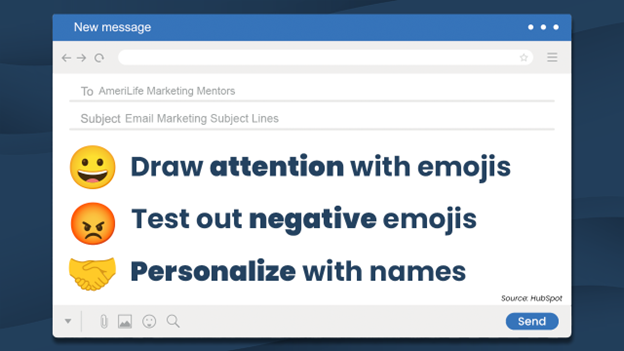
Small tweaks can make a big difference in your email performance. Testing subject lines with strategic emojis can help draw the eye and boost curiosity, while using intentional white space around short phrases makes them stand out in a crowded inbox. Even experimenting with negative emojis (surprisingly effective in many cases) can capture attention in ways positive ones don’t. These simple adjustments can lead to higher open rates, stronger engagement, and more overall responses. 

Personalization Based on Insurance Needs 

Generic subject lines like “Important Update” get ignored. Instead, try: 

  • “Sarah, your Medicare plan options just expanded” 
  • “3 ways to protect your family’s future” 
  • “Your retirement income question answered” 

The word “your” performs well because people relate to it personally. Test different approaches and track what works for your audience. 

Test Value-Based Subject Lines 

Promise real value in your subject line, then deliver on that promise. Examples: 

  • “You may be able to cut your Medicare costs” 
  • “Avoid this common Medicare mistake” 
  • “Your client asked about this today” 

Test multiple subject lines for each email. Track which ones drive the highest open rates. Remember, one email doesn’t create a trend. Test consistently over time to identify real patterns. 

Setting the Ideal Email Cadence 

How often should you email your list? The goal is to stay to pof mind without overwhelming your audience. 

Weekly Educational Value for Agents

Weekly emails work well when you consistently deliver meaningful content. Share updates that impact coverage, product availability, or changes in benefits. A steady weekly rhythm keeps you present in their inbox, as long as every message contains genuine value rather than filler. 

Monthly Updates for Existing Clients 

Your established clients don’t need to hear from you every week. A monthly newsletter with relevant updates, quarterly policy check-ins, annual reviews before renewal periods, and timely reminders about important deadlines are enough to nurture the relationship. This cadence maintains trust and communication without becoming intrusive. 

Purpose-Driven Sends Only 

Above all, never send an email just to send one. Every message should have a clear reason to exist, whether you’re educating clients on insurance topics, informing them about policy changes or deadlines, nurturing prospects as they move through their buying journey, or providing helpful resources that improve their experience. If an email has no clear purpose, it shouldn’t go out. In 2026, quality beats quantity every time. 

Analytics for Insurance Email Success 

Data guides your email marketing 2026 strategy. Track these key metrics to improve results. 

Open-Rate Trends Across Product Lines 

Start by comparing open rate performance across different product categories. Look at how Medicare focused content performs compared to life insurance topics, then review engagement on annuity information to see where each segment stands. You may assume certain topics will naturally pull more attention, but the data often tells a different story, so let your metrics shape your content decisions. 

Click-Through Performance on Lead Magnets 

While opens are important, your clicks reveal far more about the effectiveness of your messaging. Track how different calls to action perform, whether people engage with your lead magnets and downloadable resources, how often they click links to schedule appointments, and whether embedded videos attract views. If your audience opens emails but isn’t clicking, it’s a sign you may need to refine your content structure or adjust your call to action to better align with the actions you want readers to take. 

Align Email Goals with Policyholder Actions 

Your metrics matter most when they connect directly to business outcomes. Look at how the emails you send translate into appointments booked, how lead magnet downloads turn into consultations, how newsletter engagement influences policy renewals, and how educational content supports referrals. These connections help demonstrate real ROI and give you clarity on how to continually refine your email marketing strategy for stronger performance. 

Email Design Elements That Work 

How you design your emails affects results. Keep these principles in mind. 

White Space Around Buttons 

Add about 40 pixels of white space above and below your call-to-action buttons. This simple change draws the eye naturally to where you want people to click. Without white space, buttons blend into surrounding text and graphics, reducing clicks. 

One Call-to-Action Per Email 

Multiple CTAs confuse readers and reduce conversion rates. Pick one primary action you want people to take: 

  • Download a guide 
  • Schedule a consultation 
  • Read a blog post 
  • Watch a video 

Focus the entire email on driving that single action. You’ll see better results than trying to accomplish multiple goals in one message. 

Digestible Content Format 

Nobody wants to read a book in their inbox. Keep emails: 

  • Scannable with clear headers and short paragraphs 
  • Visual with strategic use of images or white space 
  • Brief - Get to the point quickly 
  • Clear - Use simple language, not insurance jargon 

Sometimes a simple text-only email outperforms emails with graphics and buttons. Test both approaches to see what your audience prefers. 

Building Your Email List 

You can’t do email marketing in 2026 without an email list. Here’s how to grow yours ethically and effectively. 

Offer Lead Magnets 

Give away valuable resources in exchange for email addresses: 

  • “10 Medicare Mistakes to Avoid” guide 
  • Retirement planning checklist 
  • Insurance coverage comparison tool 
  • Healthcare cost calculator 

Make these resources genuinely helpful. Don’t gate everything behind an email sign up, but do offer premium content for subscribers. 

Host Webinars 

Educational webinars attract qualified prospects who are actively seeking guidance. Promote these sessions through social media, your website, partner networks, and local community groups. Requiring an email to register ensures you capture interested leads, and following up afterward lets you turn both attendees and noshows into future opportunities. 

Insurance Education Resources 

By consistently publishing educational content, such as blog posts, videos, and guides covering insurance topics, you position yourself as a trusted authority. Place email signup opportunities throughout this content so readers who find your insights valuable can easily subscribe for more.

FAQs 

How does email marketing in 2026 help insurance agents? 

It improves nurture sequences, segmentation, and messaging alignment for insurance prospects. 

How often should agents email clients? 

Weekly for education, monthly for updates, depending on value and segmentation. 

Why is segmentation important for insurance marketing? 

Segmentation ensures Medicare, life, annuity, and P&C clients receive tailored content. 

What makes a good insurance email subject line? 

Relevance, clarity, and value aligned to client needs makes a good insurance email subject line. 

How can agents grow their email list? 

Agents can grow their email list by offering lead magnets, webinars, and insurance education resources. 

Getting Started with Email Marketing in 2026 

Email marketing in 2026 remains one of the most powerful tools insurance professionals have to build relationships, educate prospects, and grow their business. Success comes from choosing the right platform, properly segmenting your audience, personalizing your messages, and consistently delivering value. 

Start by implementing one strategy from this guide. Pick a proper email platform and get it authenticated. Set up basic segmentation in your CRM. Write better subject lines. Whatever you choose, take action today. 

At AmeriLife Marketing Mentors, we’re committed to helping insurance professionals succeed with digital marketing.  

Contact us today for tips, strategies, and resources that help you grow your agency. We provide the insights you need to thrive in email marketing for 2026 and beyond. 

Email Marketing in 2026: Content That Converts (Get More Leads + Replies)

Email Marketing in 2026: Content That Converts (Get More Leads + Replies) prev

Email Marketing in 2026: Content That Converts

With all the buzz around AI this year, you might think traditional marketing channels have lost their power, but the truth is that email marketing in 2026 still delivers one of the highest ROIs for insurance professionals.

At AmeriLife Marketing Mentors (AMM), we help you build effective email strategies, and our hands-on experience gives us deep insight into what actually works today. We’ve spent years working directly with insurance agents, advisors, and FMOs across the health and wealth space, so we understand your unique challenges because we live them every day. 

Choosing the Right Platform for Insurance Marketing 

Your email platform makes or breaks your email marketing 2026 success. You need a system built for mass sending that keeps you compliant and in your prospects’ inboxes. 

Why Outlook Isn’t Suitable for Mass Sends 

Many agents start by sending emails through Outlook or their personal email, but those weren’t designed for mass email campaigns. When you try to send bulk emails from Outlook, you risk getting flagged as spam, blocked by email providers, and damaging your sender reputation. Your emails need to reach inboxes, not spam folders. 

Authentication and Deliverability Requirements 

Email marketing in 2026 requires proper authentication. Every email platform you use must go through an authentication process. These technical steps prove to email providers that you’re a legitimate sender. Without authentication, your emails won’t reach your audience. The rules around deliverability have gotten stricter, making authentication non-negotiable for email marketing 2026 success.

Common Platforms Used by Insurance Agencies 

Insurance professionals see great results with platforms like: 

  • Mailchimp – Strong automation features and templates 
  • HubSpot – Robust CRM integration and advanced tracking 
  • Salesforce - Enterprise-level features for larger agencies 
  • Go High Level – Popular in the insurance industry for its all-in-one approach 

Choose a platform that fits your budget, technical comfort level, and business size. The key is picking one and using it consistently. 

CRM and Segmentation for Insurance 

Your CRM powers your email marketing strategy. Without proper customer relationship management, you’re shooting in the dark.

Track Policyholders vs. Prospects 

You can’t blast the same message to everyone anymore. People sit at different points in their journey with you. A new lead needs different content than a client you’ve worked with for three years. Your CRM helps you organize contacts based on their relationship status: 

  • New leads - People who just entered your pipeline 
  • Active prospects - Leads you’re currently nurturing 
  • New clients - Recently sold policies (within 30-90 days) 
  • Established clients - Long-term policyholders 
  • Disengaged contacts - No interaction in over a year 

Each group gets tailored messaging that matches where they are in the buyer journey. 

Tailor Emails Based on Life Stage and Product Interest 

Someone shopping for Medicare Advantage needs different information than someone looking at life insurance or annuities. Your email marketing 2026 strategy must reflect these differences. Use your CRM to tag contacts by: 

  • Product interest - Medicare, life insurance, annuities, P&C 
  • Life stage - Pre-retirees, recent retirees, established seniors 
  • Engagement level - Opens emails regularly, clicks occasionally, rarely engages 
  • Purchase history - What they’ve already bought from you 

This segmentation ensures every email you send adds value for the recipient. 

Automate Renewal Reminders and Follow-Ups 

Set up automated workflows in your CRM for: 

  • Welcome sequences for new leads 
  • Nurture campaigns for active prospects 
  • Policy renewal reminders sent 60-90 days before expiration 
  • Re-engagement campaigns for cold leads 
  • Post-sale check-ins at 30, 60, and 90 days 

Automation keeps you top-of-mind without manual effort. Your CRM runs these sequences in the background while you focus on serving clients. 

Personalization and AI 

Email marketing in 2026 requires personalization. If you’re not personalizing, your competition will. AI tools make this easier than ever. 

Adjust Messaging Based on Client Type (Medicare, Life, Annuities) 

A Medicare beneficiary faces different concerns than someone planning their estate. Your emails must reflect these differences. With Medicare clients, focus on: 

  • Annual Enrollment Period updates 
  • Coverage changes and options 
  • Healthcare cost management 

For life insurance prospects, emphasize: 

  • Family protection strategies 
  • Estate planning considerations 
  • Long-term financial security 

For annuity clients, highlight: 

  • Retirement income stability 
  • Market protection features 
  • Tax advantages 

Map out different email journeys for each product line. Your email marketing in 2026 success depends on relevance. 

Use AI Tools to Draft Segmented Content 

AI speeds up content creation without sacrificing quality. Use tools like Copilot to: 

  • Draft email copy for different audience segments 
  • Create subject line variations for testing 
  • Generate FAQ responses for common client questions 
  • Personalize messages at scale 

AI helps you produce more content faster. Just remember to review and adjust the output to match your voice and ensure accuracy. 

Trigger Messaging Based on Engagement 

Set up triggers in your email platform that send specific messages when contacts take certain actions: 

  • Opens your email - Follow up with related content 
  • Clicks a link - Send more detailed information on that topic 
  • Doesn’t open for 30 days - Launch re-engagement sequence 
  • Visits your website - Send targeted content based on pages viewed 

These triggered emails in your email marketing 2026 strategy keep conversations flowing naturally. 

Subject Lines That Increase Opens 

Your subject line determines whether anyone reads your carefully crafted email. Make it count. 

Emojis and Spacing 

Small tweaks can make a big difference in your email performance. Testing subject lines with strategic emojis can help draw the eye and boost curiosity, while using intentional white space around short phrases makes them stand out in a crowded inbox. Even experimenting with negative emojis (surprisingly effective in many cases) can capture attention in ways positive ones don’t. These simple adjustments can lead to higher open rates, stronger engagement, and more overall responses. 

Personalization Based on Insurance Needs 

Generic subject lines like “Important Update” get ignored. Instead, try: 

  • “Sarah, your Medicare plan options just expanded” 
  • “3 ways to protect your family’s future” 
  • “Your retirement income question answered” 

The word “your” performs well because people relate to it personally. Test different approaches and track what works for your audience. 

Test Value-Based Subject Lines 

Promise real value in your subject line, then deliver on that promise. Examples: 

  • “You may be able to cut your Medicare costs” 
  • “Avoid this common Medicare mistake” 
  • “Your client asked about this today” 

Test multiple subject lines for each email. Track which ones drive the highest open rates. Remember, one email doesn’t create a trend. Test consistently over time to identify real patterns. 

Setting the Ideal Email Cadence 

How often should you email your list? The goal is to stay to pof mind without overwhelming your audience. 

Weekly Educational Value for Agents

Weekly emails work well when you consistently deliver meaningful content. Share updates that impact coverage, product availability, or changes in benefits. A steady weekly rhythm keeps you present in their inbox, as long as every message contains genuine value rather than filler. 

Monthly Updates for Existing Clients 

Your established clients don’t need to hear from you every week. A monthly newsletter with relevant updates, quarterly policy check-ins, annual reviews before renewal periods, and timely reminders about important deadlines are enough to nurture the relationship. This cadence maintains trust and communication without becoming intrusive. 

Purpose-Driven Sends Only 

Above all, never send an email just to send one. Every message should have a clear reason to exist, whether you’re educating clients on insurance topics, informing them about policy changes or deadlines, nurturing prospects as they move through their buying journey, or providing helpful resources that improve their experience. If an email has no clear purpose, it shouldn’t go out. In 2026, quality beats quantity every time. 

Analytics for Insurance Email Success 

Data guides your email marketing 2026 strategy. Track these key metrics to improve results. 

Open-Rate Trends Across Product Lines 

Start by comparing open rate performance across different product categories. Look at how Medicare focused content performs compared to life insurance topics, then review engagement on annuity information to see where each segment stands. You may assume certain topics will naturally pull more attention, but the data often tells a different story, so let your metrics shape your content decisions. 

Click-Through Performance on Lead Magnets 

While opens are important, your clicks reveal far more about the effectiveness of your messaging. Track how different calls to action perform, whether people engage with your lead magnets and downloadable resources, how often they click links to schedule appointments, and whether embedded videos attract views. If your audience opens emails but isn’t clicking, it’s a sign you may need to refine your content structure or adjust your call to action to better align with the actions you want readers to take. 

Align Email Goals with Policyholder Actions 

Your metrics matter most when they connect directly to business outcomes. Look at how the emails you send translate into appointments booked, how lead magnet downloads turn into consultations, how newsletter engagement influences policy renewals, and how educational content supports referrals. These connections help demonstrate real ROI and give you clarity on how to continually refine your email marketing strategy for stronger performance. 

Email Design Elements That Work 

How you design your emails affects results. Keep these principles in mind. 

White Space Around Buttons 

Add about 40 pixels of white space above and below your call-to-action buttons. This simple change draws the eye naturally to where you want people to click. Without white space, buttons blend into surrounding text and graphics, reducing clicks. 

One Call-to-Action Per Email 

Multiple CTAs confuse readers and reduce conversion rates. Pick one primary action you want people to take: 

  • Download a guide 
  • Schedule a consultation 
  • Read a blog post 
  • Watch a video 

Focus the entire email on driving that single action. You’ll see better results than trying to accomplish multiple goals in one message. 

Digestible Content Format 

Nobody wants to read a book in their inbox. Keep emails: 

  • Scannable with clear headers and short paragraphs 
  • Visual with strategic use of images or white space 
  • Brief - Get to the point quickly 
  • Clear - Use simple language, not insurance jargon 

Sometimes a simple text-only email outperforms emails with graphics and buttons. Test both approaches to see what your audience prefers. 

Building Your Email List 

You can’t do email marketing in 2026 without an email list. Here’s how to grow yours ethically and effectively. 

Offer Lead Magnets 

Give away valuable resources in exchange for email addresses: 

  • “10 Medicare Mistakes to Avoid” guide 
  • Retirement planning checklist 
  • Insurance coverage comparison tool 
  • Healthcare cost calculator 

Make these resources genuinely helpful. Don’t gate everything behind an email sign up, but do offer premium content for subscribers. 

Host Webinars 

Educational webinars attract qualified prospects who are actively seeking guidance. Promote these sessions through social media, your website, partner networks, and local community groups. Requiring an email to register ensures you capture interested leads, and following up afterward lets you turn both attendees and noshows into future opportunities. 

Insurance Education Resources 

By consistently publishing educational content, such as blog posts, videos, and guides covering insurance topics, you position yourself as a trusted authority. Place email signup opportunities throughout this content so readers who find your insights valuable can easily subscribe for more.

FAQs 

How does email marketing in 2026 help insurance agents? 

It improves nurture sequences, segmentation, and messaging alignment for insurance prospects. 

How often should agents email clients? 

Weekly for education, monthly for updates, depending on value and segmentation. 

Why is segmentation important for insurance marketing? 

Segmentation ensures Medicare, life, annuity, and P&C clients receive tailored content. 

What makes a good insurance email subject line? 

Relevance, clarity, and value aligned to client needs makes a good insurance email subject line. 

How can agents grow their email list? 

Agents can grow their email list by offering lead magnets, webinars, and insurance education resources. 

Getting Started with Email Marketing in 2026 

Email marketing in 2026 remains one of the most powerful tools insurance professionals have to build relationships, educate prospects, and grow their business. Success comes from choosing the right platform, properly segmenting your audience, personalizing your messages, and consistently delivering value. 

Start by implementing one strategy from this guide. Pick a proper email platform and get it authenticated. Set up basic segmentation in your CRM. Write better subject lines. Whatever you choose, take action today. 

At AmeriLife Marketing Mentors, we’re committed to helping insurance professionals succeed with digital marketing.  

Contact us today for tips, strategies, and resources that help you grow your agency. We provide the insights you need to thrive in email marketing for 2026 and beyond.