Google fixes Search Console reporting, Maps evolves into an AI decision engine, and LinkedIn redefines reach 

In the News: April 13, 2026

This week’s updates signal a decisive shift toward sharper measurement, clearer intent, and higherquality engagement across platforms. Google is correcting performance reporting while turning Maps into an AIdriven decision engine, as LinkedIn and Instagram reframe reach around substance, control, and relevance, rewarding original expertise over mass broadcasting. Combined with ChatGPT’s new location awareness, these moves mark a broader retreat from volume and vanity metrics toward trust, precision, and smarter distribution, raising the bar for modern marketers. 

Click or tap on a story below to learn more. 

Google Search Console Is Making A Major Correction

Google has confirmedSearch Console logging error that has been inflating impression counts since May 2025, and it’s now in the process of correcting that data. As the fix rolls out, many sites will see impressions drop and CTR rise, not because performance changed, but because impressions were overstated for months. 

Importantly, clicks, rankings, and actual traffic were never impacted, which is why this issue surfaced primarily in reporting and benchmarking rather than daytoday performance. 

What This Means Right Now 

Dashboards may suddenly look worse, or better, depending on how heavily impressions were inflated. This shift reflects a measurement correction, not a real change in search demand or SEO effectiveness. 

How to Put This to Work 

1.) Reset internal benchmarks
Update dashboards, reports, and historical comparisons to account for the corrected impression data. 

2.) Communicate proactively
Flag this change with stakeholders so drops in impressions or shifts in CTR aren’t misinterpreted as performance issues. 

3.) Focus on stable metrics
Lean on clicks, conversions, and revenue trends while impression data settles. These were never affected by the error. 

Source:

    Google Maps Is Becoming a Personal Travel Assistant

    Google is significantly upgrading Maps with two major AI powered features built on Gemini. The first is Ask Maps, a chatstyle mobile experience that lets users ask detailed, realworld questions like finding trusted financial or healthcare services and getting interactive, personalized map responses. 

    The second is Immersive Navigation, one of the biggest driving updates in more than a decade. It introduces richer 3D maps with buildings, terrain, lanes, signs, route comparisons, and more natural voice guidance, helping users better anticipate decisions while navigating. 

    What This Means Right Now 

    Google Maps is evolving from a utility into an experience layer for realworld intent. Whether someone is searching for health services, financial help, or navigating a city, Maps is increasingly doing the thinking with the user. 

    How to Put This to Work 

    1.) Optimize for intent based discovery
    Businesses tied to realworld decisions should expect users to ask Maps more nuanced questions and ensure listings, reviews, and details support trust. 

    2.) Prepare for richer local experiences
    As navigation becomes more immersive, visibility may extend beyond pins to how locations appear within routes and surroundings. 

    3.) Think beyond search behavior
    Maps is becoming a decision engine. Expect fewer keyword searches and more conversational, needsdriven interactions. 

    Source :

    LinkedIn Just Changed What Earns Reach

    LinkedIn has reportedly overhauled its algorithm, shifting distribution toward original, expertled content and away from reposts, linkheavy posts, and overt promotion. Posts are now scored on a “Knowledge Depth” metric, with reused or thin content seeing meaningful reach declines and inactive connections filtered after 90 days. 

    At the same time, LinkedIn’s influence continues to grow. The platform now hosts roughly 1.3 billion members, sees 1.4 billion monthly visits, and over twothirds of users engage with brand content weekly, reinforcing its position as the top platform for B2B marketers. 

    What This Means Right Now 

    LinkedIn is becoming more selective about what it amplifies. Promotional language, thin reposts, and obvious CTAs are increasingly deprioritized, while insightful, experience-driven content performs better. 

    How to Put This to Work 

    1.) Lead with insight, not links
    Share original perspectives, lessons learned, or firsthand experience directly on the platform instead of relying on outbound traffic plays. 

    2.) Write to demonstrate expertise
    Depth, clarity, and specificity matter more than frequency. Posts that answer real questions or explain complex ideas are more likely to earn distribution. 

    3.) Reduce overt promotion
    Soft value beats hard CTAs. Let credibility and usefulness drive reach instead of aggressive selling. 

    Sources: 

    Instagram Plus Signals Meta’s Next Big Bet

    Meta is testing a lowcost Instagram Plus subscription (around $1–$2 per month, currently not available in the U.S.) as part of a broader push to diversify revenue beyond advertising. 

    The most meaningful feature is unlimited Story Lists, which let users’ segment who sees individual Stories beyond the single Close Friends list. Creators can now group followers into multiple audiences and tailor content accordingly, bringing emailstyle segmentation to organic social. Subscribers can also extend a Story by 24 hours and spotlight one Story per week by pinning it to the front of followers’ Story trays for added visibility. 

    What This Means Right Now 

    Instagram is shifting reach away from being purely algorithmdriven and toward audience strategy. Instead of broadcasting every Story to everyone, creators can deliver more relevant content to smaller, betterdefined groups.   

    How to Put This to Work 

    1.) Experiment with audience segmentation
    Think about how different Story audiences such as prospects, customers, and partners might benefit from tailored messaging. 

    2.) Treat Stories like a distribution channel
    Story Lists turn Stories into a controllable delivery mechanism, not just a broadcast format. 

    3.) Watch subscription features closely
    Paid creator tools signal where Meta is placing longterm value and how organic reach may evolve.   

    Source 

    ChatGPT Adds Location Awareness

    OpenAI has introduced an optin locationsharing feature in ChatGPT that allows users to share either approximate or precise location data to receive more relevant local suggestions. Once enabled through Settings → Data Controls, ChatGPT can tailor responses for use in cases like healthcare, financial planning, weather, and local news. 

    Users can tightly control access: precise location data is deleted after use; mobile users can allow access once or only while using the app, and parental controls let guardians disable location sharing for teens. Locationspecific responses may remain in chat history unless manually deleted. 

    What This Means Right Now 

    ChatGPT is moving closer to real world decisionmaking by understanding where a user is, not just what they ask. This allows for more useful local guidance while still keeping consent and transparency front and center. 

    How to Put This to Work 

    1.) Plan for AIdriven local discovery
    Businesses should expect more locationspecific questions to be answered directly inside AI tools, not just traditional search or maps. 

    2.) Focus on trustready local signals
    Accurate business information, reviews, and expertise will matter more as AI surfaces recommendations contextually. 

    3.) Watch consumer comfort levels closely
    Optin controls signal that adoption will grow where utility clearly outweighs privacy concerns. 

    Source 

    Google updates expected to impact rankings, YouTube’s new thumbnail & AI features, and Instagram solves major pain point

    In the News: April 6, 2026

    This week’s updates highlight a clear shift toward smarter platforms and stronger content signals. Google is fine‑tuning search quality, YouTube is rethinking how videos are discovered and explored, Instagram is giving creators more flexibility after publish, and Apple is making a serious play in local discovery. Together, these moves signal a future where substance, context, and intent matter more than quick tactics and where marketers who stay focused on quality and adaptability will be best positioned to win. 

    Click or tap on a story below to learn more. 

    What to Know About Google’s March Search Updates

    Google released two major Search updates in late March, which is why rankings and traffic may feel especially unstable right now. 

    The March 2026 Spam Update (March 24–25) is complete and focused on filtering low‑quality and spammy content. Shortly after, Google launched the March 2026 Core Update on March 27, which is still rolling out and can take up to two weeks to fully settle. Until then, fluctuations are expected. 

    What This Means Right Now 

    With a completed spam cleanup and an active core update overlapping, short‑term movement is normal, even for well‑performing sites. 

    The Goal: Stay steady while Google finishes recalibrating search results. The objective isn’t to react quickly; it’s to preserve strong, high‑quality content, so performance can be accurately evaluated once the rollout is complete. 

    How to Put This to Work 

    1.) Monitor trends, not day‑to‑day swings
    Core updates take time. Look for sustained patterns rather than isolated dips or spikes. 

    2.) Avoid quick SEO fixes
    Mid‑rollout changes can complicate recovery and make it harder to understand true impact. 

    3.) Reassess once the rollout finishes
    When the update completes, evaluate performance holistically and adjust strategy with clearer data. 

    Sources:

    YouTube Tests Video Highlights Previews

     YouTube is testing a new “video highlights preview” feature that shows viewers 5–10 short clips from key moments of a video before they click to watch. Instead of relying only on static thumbnails, users get a quick preview of actual content moments to better understand what they’re about to see. 

    The test is currently small‑scale, but it signals a potential shift in how videos are discovered on the platform. 

    The Goal: Help viewers make more informed click decisions by surfacing real video moments upfront and reduce reliance on misleading or overly exaggerated thumbnails. 

    What This Means Right Now 

    YouTube is signaling a move toward content‑forward discovery, not thumbnail‑first clicks. While thumbnails still matter, actual in‑video moments, especially early hooks, may increasingly influence whether someone taps “play.” 

    How to Put This to Work 

    1.) Prioritize strong early moments
    If highlights are pulled automatically, the first 30–60 seconds matter more than ever. Clear hooks and value upfront increase the chances of compelling previews. 

    2.) Optimize substance, not just packaging
    Engaging visuals and titles still help, but discovery may lean more on what’s said and shown in the video itself. 

    3.) Assume footage may sell the click
    Think about which moments best represent the video’s value. YouTube’s system may surface them before a viewer ever sees the full video. 

    Source: 

    Instagram Adds Post‑Publish Carousel Reordering

    Instagram has removed a long‑standing posting pain point: creators and brands can now reorder photos and videos in carousel posts after they’re published. With a simple long‑press and drag, the sequence can be adjusted without deleting or re‑uploading content. 

    This update allows teams to fix flow issues, reorder storytelling beats, or correct mistakes, all without losing engagement or breaking links. 

    The Goal 

    Make carousel posts more flexible and forgiving by letting creators optimize storytelling after publishing, not just before. 

    What This Means Right Now 

    Carousels no longer have to be treated as one‑shot uploads. Teams can move faster, test sequencing, and refine narratives without penalties. 

    How to Put This to Work 

    1.) Optimize story flow post‑publish
    If engagement isn’t landing as expected, try reordering slides to strengthen the opening or improve narrative progression. 

    2.) Fix mistakes without starting over
    Out‑of‑order visuals, misplaced CTAs, or weak lead slides can now be corrected without sacrificing performance. 

    3.) Leverage the visibility & flexibility 
    Instagram has explicitly stated carousels are garnering significant engagement, and now, the platform is making them more user friendly – a signal that it’s promoting their creation and distribution even more.

    Leverage this moment and incorporate carousels into your social media strategy if they aren’t already. 

    Source: 

    YouTube Brings AI Chat to Smart TVs

    YouTube is rolling out its conversational AI “Ask” feature to smart TVs, gaming consoles, and streaming devices, expanding it beyond mobile and web. While watching a video, users can tap an “Ask” button, or use their remote’s microphone, to open an AI chat window that understands the current video’s context. 

    Viewers can ask questions like “What song is this?” or “What are other popular videos from this creator?” and receive in‑stream answers or recommendations without pausing the video or switching devices. 

    The Goal 

    Turn TV viewing into a more interactive, context‑aware experience by layering discovery, learning, and recommendations directly into the playback screen. 

    What This Means Right Now 

    YouTube is repositioning the TV from a passive screen to an active companion. By embedding AI directly into the viewing experience, it’s making “lean‑in” moments, like exploration and discovery far more immediate and actionable. 

    How to Put This to Work 

    1.) Design for in‑video curiosity
    Content that sparks questions — policy information, references, explanations — may benefit more as viewers can now ask and explore in real time. 

    2.) Think beyond second‑screen behavior
    Discovery no longer requires picking up a phone. Assume viewers can interact, learn, and navigate content directly from the TV. 

    3.) Plan for smarter recommendations
    As AI connects videos contextually, related content and creator ecosystems may play a bigger role in sustained viewing. 

    Source: 

    Apple Launches Apple Business With Maps Ads Coming Next

    Apple has introduced Apple Business, a new all‑in‑one platform that brings together device management, business email, calendars, directories, Blueprints, and Managed Apple Accounts into a more streamlined experience. 

    The more meaningful update for growth marketers, however, is what’s coming next: paid ads in Apple Maps. Starting later this summer, businesses will be able to surface their locations directly in Maps search results, reaching high‑intent users at the moment they’re deciding where to go. 

    The Goal 

    Expand Apple’s monetization of local discovery while helping businesses reach customers inside the Apple ecosystem right when intent is highest. 

    What This Means Right Now 

    Apple Maps ads are the real story. As users increasingly rely on Maps, Siri, and Wallet for real‑world decisions, Apple is positioning itself as a serious player in paid local discovery. 

    How to Put This to Work 

    1.) Prepare for local Maps advertising
    If your business depends on physical locations, Apple Maps ads should be on your radar as a new high‑intent channel. 

    2.) Audit local presence now
    Ensure business listings, locations, and brand details are accurate and optimized ahead of the ad rollout. 

    3.) Watch Apple’s ecosystem signals
    As Apple connects Maps, Siri, and Wallet more tightly, local discovery may extend well beyond traditional search behavior. 

    Source: 

    Bing Is Measuring AI Visibility, Meta Is Letting AI Run Tasks, and Instagram Is Pushing Carousels

    In the News: March 30, 2026

    This week, AI is dominating the headlines (and changing how we do work). From Bing finally giving us insights into how AI is citing our content, to YouTube launching a new Shorts feature that could change the game, these stories are sure to give you a leg up on the competition.

    Click or tap on a story below to learn more.

    Bing is Making AI Visibility Measurable
    Microsoft just added something marketers have needed for a while: A way to see whether AI is citing your content… Not just ranking it.

    AI Performance in Bing Webmaster Tools focuses solely on whether your content is being used by AI: cited as a trusted source inside Microsoft Copilot, Bing’s AI answers, and partner experiences. Combined with traditional metrics (like clicks) Bing is taking search analytics into the AI era.

    How to Put This to Work: 

    Start with the content you already have: a blog, a FAQ page, or a LinkedIn article. Anything that answers a question your audience might type into a search bar is fair game. 

    The goal: Make that content easy for AI to trust & cite.

    1.) Think in questions, not just topics 

     The marketers, agents, and advisors who are going to win won’t have the most content, they’ll have content that answers specific, real questions directly & clearly.

    2.) Structure for authority 

    Use clear headers, concise sections, and logical flow. That signals to AI that your content is organized and credible.

    3.) Check what’s actually being cited by AI

    In Bing Webmaster Tools, the AI Performance tab shows which pages AI is pulling from, and what questions triggered those citations. That’s your roadmap. Double down on what’s working and fill gaps where it isn’t. 

    Meta Is Turning AI Into a Real Business Operator

    With Manus, Meta is redefining how AI supports marketers by moving from guidance to execution. Built directly into Meta’s business and creator tools, Manus can manage end‑to‑end tasks based on goals, reducing manual effort and tool switching. It’s a clear shift toward AI that operates within daily workflows, not just alongside them. 

    How to Put This to Work 

    Start by rethinking how you use Meta’s platforms day to day. Manus is designed to reduce friction by taking repetitive or operational tasks off your plate, freeing marketers to focus on strategy, creativity, and growth. 

    The goal: Let AI handle execution while humans focus on direction and outcomes. 

    1.) Turn objectives into assignments, not tasks 

    Instead of manually pulling reports or tweaking campaigns, think in terms of outcomes. For example, “Improve ad performance” or “Find the right creators for this campaign.” Manus is built to take goals like these and manage the steps required to get there. 

    2.) Use AI to streamline cross‑platform workflows 

    Use Manus to connect activity across Ads Manager, creator tools, and messaging platforms. This makes it easier to coordinate campaigns, creator outreach, and customer interactions without switching tools or duplicating work. 

    3.) Focus your time where AI can’t 

    As AI takes over execution, data analysis, workflow organization and drafting responses, marketers should spend more time on brand strategy, creative direction, and decision‑making. The competitive advantage won’t be doing more tasks faster but setting better priorities and clearer goals. 

    YouTube Is Letting AI Remix Shorts Without Killing Creator Credit

    YouTube is introducing AI‑powered remixing with Reimagine, a new Shorts feature that turns a single frame from an existing video into a brand‑new 8‑second clip. Powered by Google’s Veo model and Gemini prompts, Reimagine lowers the barrier to participation while automatically linking back to the original creator. The approach expands creative remixing without compromising attribution, keeping original content at the center of discovery. 

    How to Put This to Work 

    Start by thinking of Shorts as a collaborative format, not just a standalone asset. Reimagine opens the door for brands to participate in trends without starting from scratch. 

    The goal: Use AI remixing to increase visibility and engagement while respecting creator credit. 

    1.) Extend the life of existing content 

    A single high‑performing video frame can now become multiple Shorts variations. This allows marketers to adapt content for Shorts quickly, without re‑editing or reshooting. 

    2.) Participate in trends with lower effort 

    Reimagine lowers the barrier to jumping into cultural moments. Brands can add a prompt, incorporate a product or visual, and generate Shorts that feel timely without heavy production. 

    3.) Collaborate with creators without replacing them 

    Since every AI‑generated Short links back to the original creator, brands can remix content responsibly while supporting creator discovery — not competing with it. 

    Instagram Is Quietly Nudging Creators Toward Carousels

    Instagram is signaling a clear preference for carousels as one of the most effective formats for increasing reach. According to Instagram Head Adam Mosseri, carousels naturally drive more engagement by encouraging users to swipe, spend more time with a post, and interact more; signaling the algorithm rewards. With added benefits like a built‑in “second chance” for resurfacing content and potential Reels tab distribution when paired with music, carousels have become one of the platform’s most algorithm‑friendly formats. 

    How to Put This to Work 

    Start by looking at content you already have multiple assets for: images, slides, or visuals that tell a story when grouped together. 

    The goal: Increase reach and engagement without reinventing your content strategy. 

    1.) Package existing assets more strategically 

    Instead of posting single images, group-related visuals into a carousel to give users more reasons to engage and spend time with your content. 

    2.) Take advantage of the “second chance” effect 

    If users don’t interact with the first slide, Instagram can resurface the carousel by showing them the next one, extending the post lifespan and visibility. 

    3.) Add music to boost distribution 

    When paired with music, carousels may qualify for Reels’ tab distribution, offering an additional reach opportunity without creating a full video.

    Google Is Testing AI‑Written Headlines in Search Results

    Google is testing AI‑generated headlines directly in Search, rewriting publisher titles to better match user queries. Although positioned as a limited experiment, it mirrors earlier AI headline tests in Discover that later expanded more broadly. This shift signals that AI is increasingly shaping how content appears at the moment of discovery, reducing marketers’ control over the initial framing users see. 

    How to Put This to Work 

    Start by thinking of headlines as inputs, not final outputs. As AI takes a more active role in how content is presented, clarity and intent matter more than cleverness. 

    The goal: Ensure your content is accurately understood and represented, even if AI rewrites the headline. 

    1.) Write headlines that clearly reflect the content 

    Avoid vague or overly clever titles. Clear, descriptive headlines give AI less room to misinterpret what the page is actually about. 

    2.) Reinforce context within the page 

    Strong subheads, intros, and structured content help AI systems infer intent correctly, even if the headline is reworded in Search. 

    3.) Monitor performance beyond clicks 

    Pay attention to engagement and downstream behavior. If traffic quality changes, it may signal that AI‑rewritten headlines are altering user expectations. 

    Email Marketing in 2026: Content That Converts (Get More Leads + Replies)

    Email Marketing in 2026: Content That Converts (Get More Leads + Replies)

    Email Marketing in 2026: Content That Converts

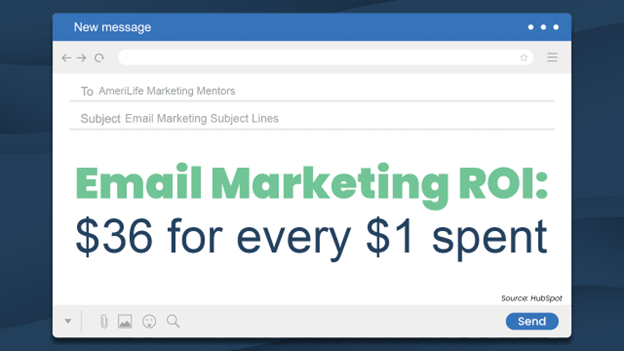
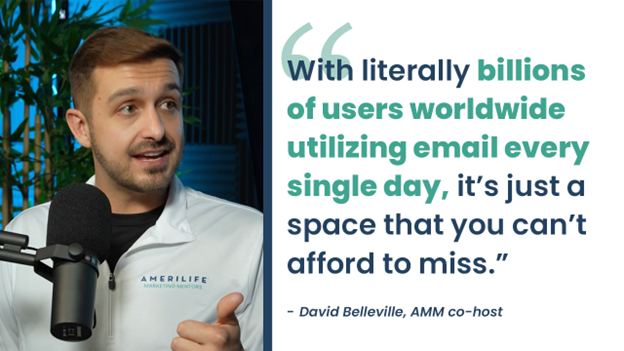
    With all the buzz around AI this year, you might think traditional marketing channels have lost their power, but the truth is that email marketing in 2026 still delivers one of the highest ROIs for insurance professionals.

    At AmeriLife Marketing Mentors (AMM), we help you build effective email strategies, and our hands-on experience gives us deep insight into what actually works today. We’ve spent years working directly with insurance agents, advisors, and FMOs across the health and wealth space, so we understand your unique challenges because we live them every day. 

    Choosing the Right Platform for Insurance Marketing 

    Your email platform makes or breaks your email marketing 2026 success. You need a system built for mass sending that keeps you compliant and in your prospects’ inboxes. 

    Why Outlook Isn’t Suitable for Mass Sends 

    Many agents start by sending emails through Outlook or their personal email, but those weren’t designed for mass email campaigns. When you try to send bulk emails from Outlook, you risk getting flagged as spam, blocked by email providers, and damaging your sender reputation. Your emails need to reach inboxes, not spam folders. 

    Authentication and Deliverability Requirements 

    Email marketing in 2026 requires proper authentication. Every email platform you use must go through an authentication process. These technical steps prove to email providers that you’re a legitimate sender. Without authentication, your emails won’t reach your audience. The rules around deliverability have gotten stricter, making authentication non-negotiable for email marketing 2026 success.

    Common Platforms Used by Insurance Agencies 

    Insurance professionals see great results with platforms like: 

    • Mailchimp – Strong automation features and templates 
    • HubSpot – Robust CRM integration and advanced tracking 
    • Salesforce - Enterprise-level features for larger agencies 
    • Go High Level – Popular in the insurance industry for its all-in-one approach 

    Choose a platform that fits your budget, technical comfort level, and business size. The key is picking one and using it consistently. 

    CRM and Segmentation for Insurance 

    Your CRM powers your email marketing strategy. Without proper customer relationship management, you’re shooting in the dark.

    Track Policyholders vs. Prospects 

    You can’t blast the same message to everyone anymore. People sit at different points in their journey with you. A new lead needs different content than a client you’ve worked with for three years. Your CRM helps you organize contacts based on their relationship status: 

    • New leads - People who just entered your pipeline 
    • Active prospects - Leads you’re currently nurturing 
    • New clients - Recently sold policies (within 30-90 days) 
    • Established clients - Long-term policyholders 
    • Disengaged contacts - No interaction in over a year 

    Each group gets tailored messaging that matches where they are in the buyer journey. 

    Tailor Emails Based on Life Stage and Product Interest 

    Someone shopping for Medicare Advantage needs different information than someone looking at life insurance or annuities. Your email marketing 2026 strategy must reflect these differences. Use your CRM to tag contacts by: 

    • Product interest - Medicare, life insurance, annuities, P&C 
    • Life stage - Pre-retirees, recent retirees, established seniors 
    • Engagement level - Opens emails regularly, clicks occasionally, rarely engages 
    • Purchase history - What they’ve already bought from you 

    This segmentation ensures every email you send adds value for the recipient. 

    Automate Renewal Reminders and Follow-Ups 

    Set up automated workflows in your CRM for: 

    • Welcome sequences for new leads 
    • Nurture campaigns for active prospects 
    • Policy renewal reminders sent 60-90 days before expiration 
    • Re-engagement campaigns for cold leads 
    • Post-sale check-ins at 30, 60, and 90 days 

    Automation keeps you top-of-mind without manual effort. Your CRM runs these sequences in the background while you focus on serving clients. 

    Personalization and AI 

    Email marketing in 2026 requires personalization. If you’re not personalizing, your competition will. AI tools make this easier than ever. 

    Adjust Messaging Based on Client Type (Medicare, Life, Annuities) 

    A Medicare beneficiary faces different concerns than someone planning their estate. Your emails must reflect these differences. With Medicare clients, focus on: 

    • Annual Enrollment Period updates 
    • Coverage changes and options 
    • Healthcare cost management 

    For life insurance prospects, emphasize: 

    • Family protection strategies 
    • Estate planning considerations 
    • Long-term financial security 

    For annuity clients, highlight: 

    • Retirement income stability 
    • Market protection features 
    • Tax advantages 

    Map out different email journeys for each product line. Your email marketing in 2026 success depends on relevance. 

    Use AI Tools to Draft Segmented Content 

    AI speeds up content creation without sacrificing quality. Use tools like Copilot to: 

    • Draft email copy for different audience segments 
    • Create subject line variations for testing 
    • Generate FAQ responses for common client questions 
    • Personalize messages at scale 

    AI helps you produce more content faster. Just remember to review and adjust the output to match your voice and ensure accuracy. 

    Trigger Messaging Based on Engagement 

    Set up triggers in your email platform that send specific messages when contacts take certain actions: 

    • Opens your email - Follow up with related content 
    • Clicks a link - Send more detailed information on that topic 
    • Doesn’t open for 30 days - Launch re-engagement sequence 
    • Visits your website - Send targeted content based on pages viewed 

    These triggered emails in your email marketing 2026 strategy keep conversations flowing naturally. 

    Subject Lines That Increase Opens 

    Your subject line determines whether anyone reads your carefully crafted email. Make it count. 

    Emojis and Spacing 

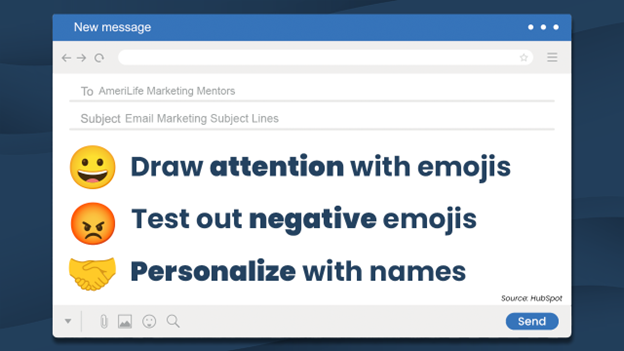
    Small tweaks can make a big difference in your email performance. Testing subject lines with strategic emojis can help draw the eye and boost curiosity, while using intentional white space around short phrases makes them stand out in a crowded inbox. Even experimenting with negative emojis (surprisingly effective in many cases) can capture attention in ways positive ones don’t. These simple adjustments can lead to higher open rates, stronger engagement, and more overall responses. 

    Personalization Based on Insurance Needs 

    Generic subject lines like “Important Update” get ignored. Instead, try: 

    • “Sarah, your Medicare plan options just expanded” 
    • “3 ways to protect your family’s future” 
    • “Your retirement income question answered” 

    The word “your” performs well because people relate to it personally. Test different approaches and track what works for your audience. 

    Test Value-Based Subject Lines 

    Promise real value in your subject line, then deliver on that promise. Examples: 

    • “You may be able to cut your Medicare costs” 
    • “Avoid this common Medicare mistake” 
    • “Your client asked about this today” 

    Test multiple subject lines for each email. Track which ones drive the highest open rates. Remember, one email doesn’t create a trend. Test consistently over time to identify real patterns. 

    Setting the Ideal Email Cadence 

    How often should you email your list? The goal is to stay to pof mind without overwhelming your audience. 

    Weekly Educational Value for Agents

    Weekly emails work well when you consistently deliver meaningful content. Share updates that impact coverage, product availability, or changes in benefits. A steady weekly rhythm keeps you present in their inbox, as long as every message contains genuine value rather than filler. 

    Monthly Updates for Existing Clients 

    Your established clients don’t need to hear from you every week. A monthly newsletter with relevant updates, quarterly policy check-ins, annual reviews before renewal periods, and timely reminders about important deadlines are enough to nurture the relationship. This cadence maintains trust and communication without becoming intrusive. 

    Purpose-Driven Sends Only 

    Above all, never send an email just to send one. Every message should have a clear reason to exist, whether you’re educating clients on insurance topics, informing them about policy changes or deadlines, nurturing prospects as they move through their buying journey, or providing helpful resources that improve their experience. If an email has no clear purpose, it shouldn’t go out. In 2026, quality beats quantity every time. 

    Analytics for Insurance Email Success 

    Data guides your email marketing 2026 strategy. Track these key metrics to improve results. 

    Open-Rate Trends Across Product Lines 

    Start by comparing open rate performance across different product categories. Look at how Medicare focused content performs compared to life insurance topics, then review engagement on annuity information to see where each segment stands. You may assume certain topics will naturally pull more attention, but the data often tells a different story, so let your metrics shape your content decisions. 

    Click-Through Performance on Lead Magnets 

    While opens are important, your clicks reveal far more about the effectiveness of your messaging. Track how different calls to action perform, whether people engage with your lead magnets and downloadable resources, how often they click links to schedule appointments, and whether embedded videos attract views. If your audience opens emails but isn’t clicking, it’s a sign you may need to refine your content structure or adjust your call to action to better align with the actions you want readers to take. 

    Align Email Goals with Policyholder Actions 

    Your metrics matter most when they connect directly to business outcomes. Look at how the emails you send translate into appointments booked, how lead magnet downloads turn into consultations, how newsletter engagement influences policy renewals, and how educational content supports referrals. These connections help demonstrate real ROI and give you clarity on how to continually refine your email marketing strategy for stronger performance. 

    Email Design Elements That Work 

    How you design your emails affects results. Keep these principles in mind. 

    White Space Around Buttons 

    Add about 40 pixels of white space above and below your call-to-action buttons. This simple change draws the eye naturally to where you want people to click. Without white space, buttons blend into surrounding text and graphics, reducing clicks. 

    One Call-to-Action Per Email 

    Multiple CTAs confuse readers and reduce conversion rates. Pick one primary action you want people to take: 

    • Download a guide 
    • Schedule a consultation 
    • Read a blog post 
    • Watch a video 

    Focus the entire email on driving that single action. You’ll see better results than trying to accomplish multiple goals in one message. 

    Digestible Content Format 

    Nobody wants to read a book in their inbox. Keep emails: 

    • Scannable with clear headers and short paragraphs 
    • Visual with strategic use of images or white space 
    • Brief - Get to the point quickly 
    • Clear - Use simple language, not insurance jargon 

    Sometimes a simple text-only email outperforms emails with graphics and buttons. Test both approaches to see what your audience prefers. 

    Building Your Email List 

    You can’t do email marketing in 2026 without an email list. Here’s how to grow yours ethically and effectively. 

    Offer Lead Magnets 

    Give away valuable resources in exchange for email addresses: 

    • “10 Medicare Mistakes to Avoid” guide 
    • Retirement planning checklist 
    • Insurance coverage comparison tool 
    • Healthcare cost calculator 

    Make these resources genuinely helpful. Don’t gate everything behind an email sign up, but do offer premium content for subscribers. 

    Host Webinars 

    Educational webinars attract qualified prospects who are actively seeking guidance. Promote these sessions through social media, your website, partner networks, and local community groups. Requiring an email to register ensures you capture interested leads, and following up afterward lets you turn both attendees and noshows into future opportunities. 

    Insurance Education Resources 

    By consistently publishing educational content, such as blog posts, videos, and guides covering insurance topics, you position yourself as a trusted authority. Place email signup opportunities throughout this content so readers who find your insights valuable can easily subscribe for more.

    FAQs 

    How does email marketing in 2026 help insurance agents? 

    It improves nurture sequences, segmentation, and messaging alignment for insurance prospects. 

    How often should agents email clients? 

    Weekly for education, monthly for updates, depending on value and segmentation. 

    Why is segmentation important for insurance marketing? 

    Segmentation ensures Medicare, life, annuity, and P&C clients receive tailored content. 

    What makes a good insurance email subject line? 

    Relevance, clarity, and value aligned to client needs makes a good insurance email subject line. 

    How can agents grow their email list? 

    Agents can grow their email list by offering lead magnets, webinars, and insurance education resources. 

    Getting Started with Email Marketing in 2026 

    Email marketing in 2026 remains one of the most powerful tools insurance professionals have to build relationships, educate prospects, and grow their business. Success comes from choosing the right platform, properly segmenting your audience, personalizing your messages, and consistently delivering value. 

    Start by implementing one strategy from this guide. Pick a proper email platform and get it authenticated. Set up basic segmentation in your CRM. Write better subject lines. Whatever you choose, take action today. 

    At AmeriLife Marketing Mentors, we’re committed to helping insurance professionals succeed with digital marketing.  

    Contact us today for tips, strategies, and resources that help you grow your agency. We provide the insights you need to thrive in email marketing for 2026 and beyond. 

    In The News March 23, 2026

    In The News March 23, 2026

    This week’s Mentor Monday brings a sharp focus on how the major platforms are reshaping measurement, content formats, and user experience. From Meta’s evolving attribution guardrails to Google’s continued push toward a unified ads‑and‑commerce ecosystem, the landscape is shifting in ways that directly impact how marketers plan, optimize, and report performance. Instagram is refining how posts surface, LinkedIn is adjusting its feed to prioritize genuine engagement, and TikTok is doubling down on long‑form content with new tools for creators and advertisers.

    Consider this your quick, curated download of what changed, why it matters, and how these updates may influence your digital strategy in the weeks ahead.

    Meta Is Tightening Up Click Attribution

    Meta is updating how click attribution works across Facebook and Instagram ads, and it’s a meaningful cleanup. Going forward, only actual link clicks will count as click‑through conversions. Softer interactions like likes, comments, shares, or video engagement are now grouped into a separate bucket called “engage‑through” attribution. The goal is clearer, more honest reporting that better aligns with what advertisers see in tools like Google Analytics and CRMs.  


    Bottom line: Meta is drawing a harder line between real traffic and engagement. Expect cleaner data, even if reported conversions shift slightly.  

    Google Is Rebuilding Ads and Commerce Around AI

    Google says 2026 is the year advertising shifts from “search and research” to speed and certainty. AI is being woven directly into Search, YouTube, and shopping, turning ads into more assistive, conversational experiences instead of interruptions. In AI‑powered Search (like AI Mode on Google), ads are designed to show up inside the decision‑making moment, helping users compare options and move from discovery to purchase faster. At the same time, Google is using AI to better connect brands with creators on YouTube, turning trusted influence into measurable business impact.  

    Bottom line: Google isn’t just adding AI to ads…. It’s redefining how discovery, influence, and conversion happen in one continuous flow.  

    Instagram Is Testing Links in Post Captions

    Instagram is experimenting with clickable links directly in feed post captions, something creators have wanted for years. The catch: it’s only available to a small group of Meta Verified (paid) creators, with a limit of 10 links per month. This is a notable shift from Instagram’s long‑held stance against in‑feed links and signals a bigger push to make paid subscriptions more valuable while opening new monetization opportunities for creators.  

    Bottom line: Instagram is loosening the rules, but only for creators who pay. It could quietly change how traffic and sponsorships work on the platform.

    LinkedIn Is Positioning Itself for the AI Era

    LinkedIn is reframing AI not only as a content shortcut, but as a credibility engine. The platform is encouraging marketers to use AI to improve relevance, consistency, and audience alignment, making it clear that AI should support ideation, drafting, and optimization. However, real expertise, original thinking, and lived experience are what drives reach and trust on LinkedIn. The opportunity isn’t to post more; it’s to post smarter, using AI to scale what already works.

    Bottom line: AI can help you show up faster on LinkedIn, but authenticity is still the algorithm’s favorite signal.  

    X Is Turning Long‑Form Posts into Audio (With AI)

    X (formerly Twitter) is rolling out an AI‑powered “Listen” button that lets users hear long‑form articles read aloud by Grok, its in‑house AI. The audio can play in the background while users scroll or even switch apps, making it easier to consume longer content while multitasking. This is part of X’s broader push to attract more in‑depth, research‑driven posts: Content that not only keeps users engaged longer but also feeds higher‑quality data into its AI models.   

    Bottom line: X wants you to create (and consume) longer content, and AI audio makes it far more accessible.